
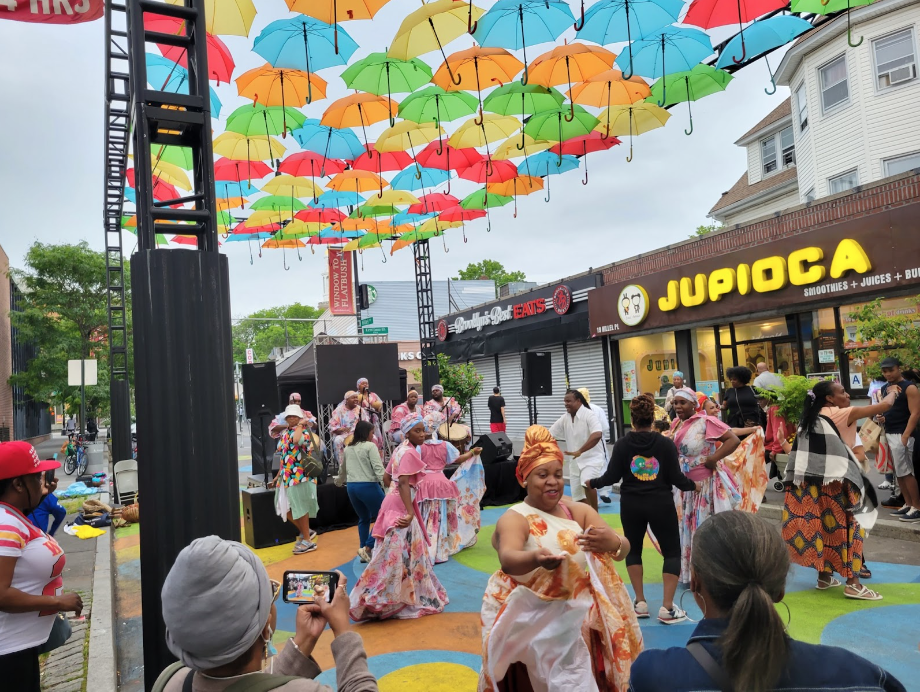
At the heart of Brooklyn, Flatbush is a neighborhood shaped by generations of immigrants, longstanding residents, small-business owners and community advocates. Its streets tell a story of change, cultural preservation and resilience, with historic homes and institutions standing alongside bustling commercial corridors and new developments.
Founded by Dutch settlers in the mid-1600s, Flatbush was once a farming community and one of the earliest European settlements in what is now Brooklyn. Today, it is a vibrant urban neighborhood known for its cultural diversity, Caribbean influence, historic architecture and strong community ties.
Flatbush is bordered by several Brooklyn neighborhoods, including Crown Heights, Prospect Lefferts Gardens, Kensington and Midwood. Its residential streets feature a mixture of Victorian-style homes, brownstones, rowhouses and apartment buildings, while Flatbush Avenue, Church Avenue and Nostrand Avenue serve as important commercial corridors.
A Rich Cultural and Caribbean Heritage
Flatbush is particularly recognized for its large Caribbean and West Indian community. Generations of immigrants from Jamaica, Trinidad and Tobago, Haiti, Barbados, Guyana and other Caribbean nations have helped shape the neighborhood's identity.
The area's cultural influence is reflected in its restaurants, grocery stores, bakeries, beauty salons, places of worship and locally owned businesses. Caribbean music, food and traditions are woven into everyday neighborhood life.
The nearby cultural districts of Little Caribbean and Little Haiti further highlight Brooklyn's Caribbean and Haitian heritage. Organizations such as I Am Caribbeing have worked to celebrate and preserve these identities through cultural programming, public art and community events.
The annual West Indian American Day Carnival, held along Eastern Parkway, is another major celebration of Caribbean culture in Brooklyn, drawing participants and visitors from across the city and beyond.
Local Businesses and the Caribbean Marketplace
Small businesses remain an important part of Flatbush's identity and economy. Along Flatbush Avenue and surrounding commercial streets, residents can find Caribbean restaurants, international grocery stores, clothing shops, salons and neighborhood service providers.
One important cultural and commercial destination is the Flatbush Central Caribbean Marketplace, formerly known as the Flatbush Caton Market. Located at the Caton Flats development, the marketplace provides space for Caribbean vendors and entrepreneurs to sell food, clothing, crafts and other products.
The development also supports business growth through commercial space, a shared kitchen and programming connected to the Caribbean American Chamber of Commerce and Industry.
The marketplace represents more than a place to shop. It is an important gathering space that helps preserve Caribbean entrepreneurship and cultural traditions while creating opportunities for small-business owners.
Historic Landmarks and Cultural Attractions
Flatbush's history is visible in its architecture and longstanding institutions.
The Flatbush Reformed Dutch Church, established in the 17th century, is among the neighborhood's most recognizable historic landmarks. Its presence reflects the area's early colonial history and the generations that have lived in the community.
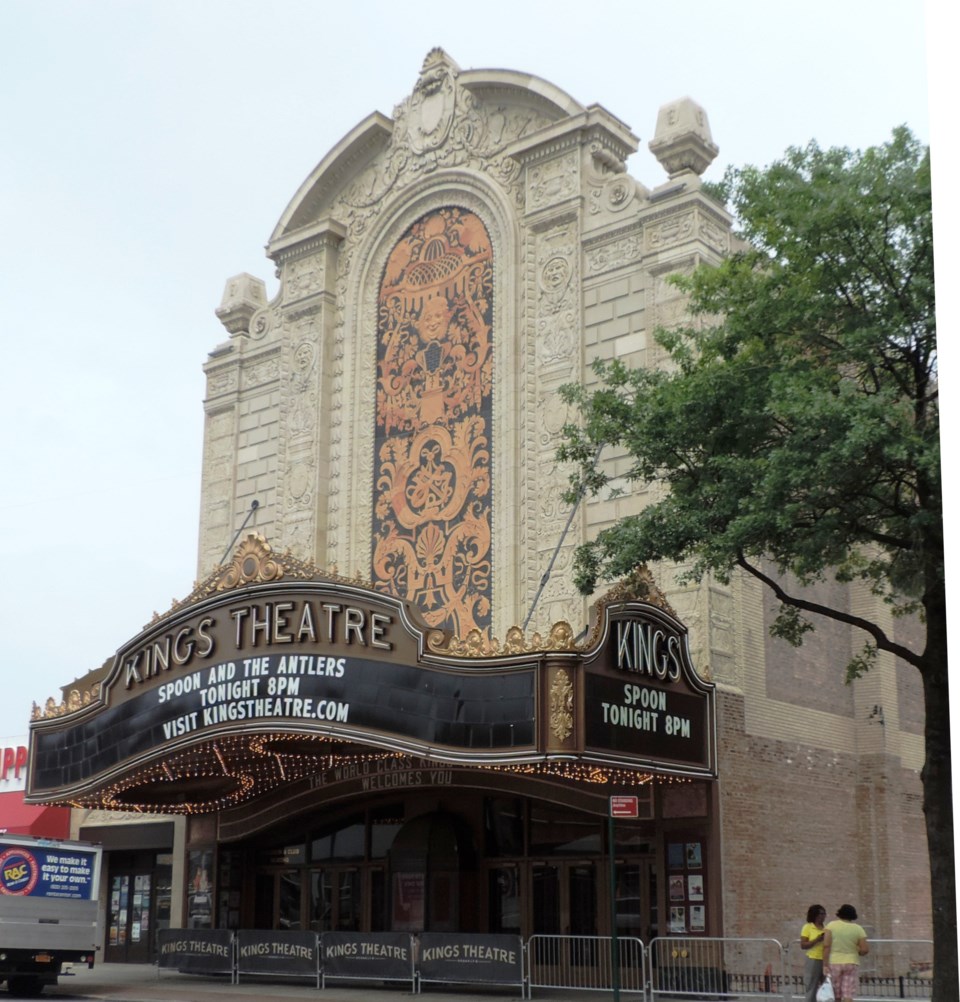
Another major attraction is the Kings Theatre on Flatbush Avenue. Originally opened in 1929 as a movie palace, the beautifully restored venue reopened in 2015 following an extensive renovation. Today, it hosts concerts, comedy performances, theatrical productions and other entertainment.
Brooklyn College, part of the City University of New York (CUNY), is another important neighborhood institution. Its campus and Brooklyn Center for the Performing Arts contribute to the area's educational and cultural life, attracting students, performers and visitors.
A Neighborhood in Transition
Like many Brooklyn neighborhoods, Flatbush continues to experience changes in housing, construction and commercial development.
New residential projects and investments have brought additional housing and commercial opportunities to the area. However, development has also raised questions about affordability, displacement and the ability of longtime residents and small businesses to remain in the neighborhood.
According to the NYU Furman Center's 2026 neighborhood data profile, the broader Flatbush/Midwood area added 5,232 housing units between 2010 and 2025. Of those, 1,238 were income-restricted units.
The figures illustrate the scale of residential development, although the Flatbush/Midwood statistical area does not correspond exactly to every commonly used definition of Flatbush.
Housing affordability remains an important concern for renters and homeowners, particularly as neighborhood conditions and living costs change.
For many residents, the challenge is ensuring that development benefits existing communities without erasing the cultural character and neighborhood connections that make Flatbush distinctive.
Art, Community and Neighborhood Identity
Flatbush's cultural identity is also finding new expression through public art and community-led initiatives.
In June 2026, the Church-Flatbush Community Alliance unveiled a public art and lighting project celebrating local culture. The initiative included a mural near the Church Avenue subway station featuring images submitted by community members, illuminated windows and creative installations inspired by the neighborhood.
The project highlighted the importance of allowing residents to tell their own stories and shape how their neighborhood is represented.
Community organizations, cultural institutions, faith groups and civic associations continue to play an important role in organizing events, supporting residents and advocating for neighborhood improvements.
Getting Around Flatbush
Flatbush is well connected to other parts of Brooklyn and Manhattan through New York City's public transportation system.
Subway service includes the 2 and 5 trains along the eastern and southern parts of the neighborhood, while the B and Q trains serve other nearby commercial and residential corridors. Numerous bus routes also connect residents to surrounding Brooklyn communities.
The neighborhood's commercial corridors are walkable, and its residential streets offer access to local shops, schools, places of worship and community facilities.
Community Resilience in the Face of Tragedy
Flatbush's strong community connections have also been visible during times of crisis.
On November 11, 2026, a three-story building at 1321 Flatbush Avenue collapsed into an adjoining construction site, killing eight people, including two children, and injuring 18 others, according to reports from city officials and local news outlets.
The tragedy displaced residents and prompted an extensive emergency response. City agencies, the American Red Cross, elected officials, faith institutions and community organizations mobilized to provide temporary assistance, shelter, supplies and other support.
The Flatbush YMCA became a reception and relief center for affected residents, while local organizations coordinated donation drives and financial assistance.
The city's Department of Buildings and other authorities are investigating the circumstances surrounding the collapse. The cause had not been definitively established as of November 16, 2026.
In the days following the disaster, residents and volunteers came together to support displaced families, demonstrating the importance of neighborhood solidarity during difficult times.
A Neighborhood with a Story to Tell
Flatbush is more than a historic Brooklyn neighborhood. It is a community shaped by migration, cultural traditions, entrepreneurship, education and generations of residents who have made it home.
From the Caribbean flavors and businesses along Flatbush Avenue to the historic Flatbush Reformed Dutch Church, the restored Kings Theatre and the community spaces that celebrate its heritage, the neighborhood offers a distinctive picture of Brooklyn's diversity.
As Flatbush continues to evolve, preserving its cultural identity, supporting local businesses and ensuring housing stability will remain important to its future.
Its story is ultimately one of people, heritage and community and the continuing effort to make sure that the neighborhood remains a place where longtime residents and new generations can belong.

