
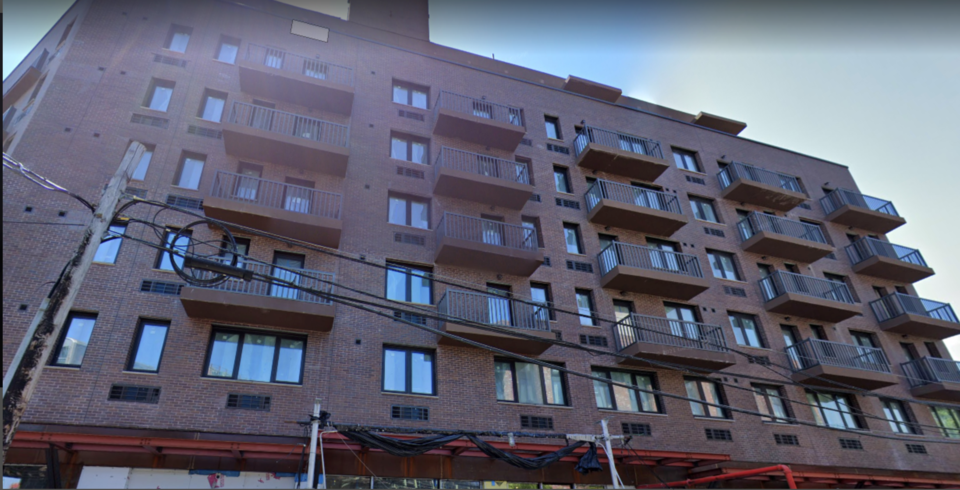
New York City is far behind its goal of adding 500,000 new housing units by 2034, according to a new report from the Real Estate Board of New York.
The report, based on permit data from the Department of Buildings and a review of development programs like City of Yes, 485-x and 467-m tax incentives, covers activity from the first quarter of 2024 through the third quarter of 2025.
Since early 2024, only 66,162 units have been completed, just 13% of the target. Meeting the 2034 goal would require building 12,500 units per quarter, but current production averages 9,452 units per quarter. To close the gap, quarterly production would need to jump roughly 39% to 13,147 units. That leaves a current shortfall of 433,838 units.
“The current tools for housing production are not adequate to meet the needs of New York City, and without the creation of significant new incentive programs and comprehensive rezonings there is no way we will meet our goal to build 500,000 new homes by 2034,” said James Whelan, president of the Real Estate Board of New York.

The report also notes that construction timelines are slowing. Projects with ten or more units now take at least four years to finish. Many pre-development projects are stalled: of the 47,124 units in planning, about 14,419 were filed over five years ago and are unlikely to move forward. Long delays in pre-development are growing, with units stuck in planning for over five years increasing by more than seven percent per quarter since early 2024.
Even so, the industry has made gains through advocacy. Programs like the 421-a deadline extension and the 467-m commercial-to-housing conversion initiative helped add thousands of units that might not otherwise exist.
The report also highlights borough-level trends: Brooklyn leads in construction with 29,361 units under way, followed by Manhattan (15,767), Queens (14,883), the Bronx (13,664), and Staten Island (1,122). Completed units since 2024 also favor Brooklyn, which accounts for 26,563 units, followed by Queens (16,767), the Bronx (13,456), Manhattan (8,039) and Staten Island (1,229).
Programs intended to boost affordable housing, like the 485-x incentive, have had limited impact. Only 3% of units currently in pre-development or construction fall under 485-x.
Whelan stressed that the city will need new incentives and rezoning initiatives to accelerate production, lower costs and meet the needs of New Yorkers.
The full report can be downloaded here.


