
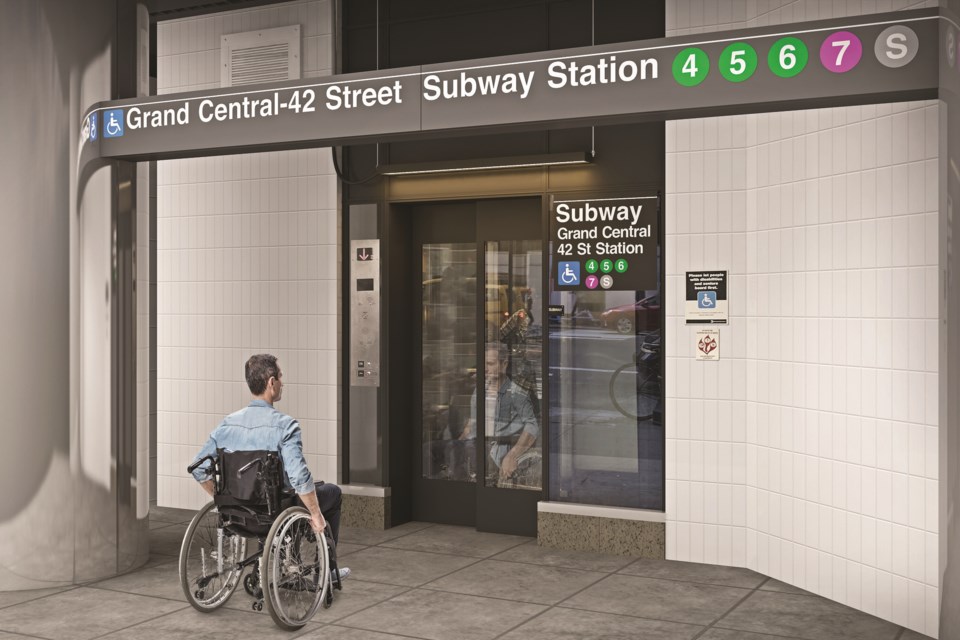
A coalition of disability rights advocates on Wednesday announced that it reached a proposed settlement in a long-running class action lawsuit against the Metropolitan Transportation Authority over elevator outages in the New York City subway system.
The lawsuit, filed in 2017 by disability rights organizations and people who use wheelchairs, challenged how the MTA handled accessibility elevator outages at subway stations. The agreement is designed to improve how the MTA communicates elevator disruptions and assists riders with disabilities. It must still receive court approval before taking effect.
"This case has had its ups and downs, but we're so pleased that all riders—disabled and everyone else—now will have a better chance of finding working elevators in the subways," said Joe Rappaport, executive director of the Brooklyn Center for Independence of the Disabled, a plaintiff in the case since it was filed in 2017. "We applaud the MTA; the other plaintiffs and allies; and the attorneys representing us for their dedication in settling this crucial civil rights case."
Under the proposed settlement, the MTA would install new signs directing riders to alternate accessible routes, add QR codes linking to real-time elevator information and display elevator status on Customer Information Center screens.
The agency would also post street-level notices for long-term outages and capital rehabilitation projects, provide regular platform and onboard announcements, establish a dedicated 511 customer service line for accessible travel assistance and expand real-time outage information on its website and mobile app.
Riders would also be able to subscribe to email and text alerts for updates on selected elevators.
The settlement would improve access for Brooklyn residents and visitors who rely on elevators to travel throughout the subway system. More reliable outage information could help people with disabilities, older adults, parents with strollers and others plan alternate routes and avoid unnecessary delays when traveling to work, school, medical appointments and community destinations.
A key feature of the agreement is its emphasis on communication and customer support. In addition to improving public notifications, the MTA would provide mandatory accessibility training for station agents and annual training for employees, expand public reporting on elevator outages and respond to customer complaints within one business day.
The proposed settlement now awaits approval from U.S. District Judge George B. Daniels. If approved, the MTA will begin implementing the new accessibility measures while work continues under a separate agreement to make 95% of New York City subway stations accessible.


