
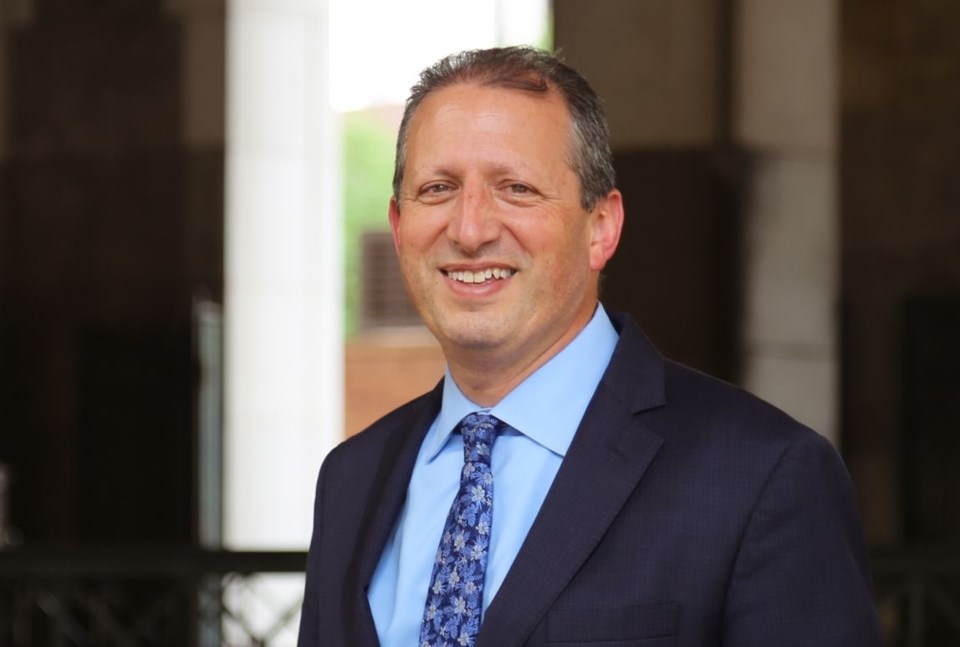
New York City Comptroller Brad Lander and Chicago Budget Director Annette Guzman penned a letter to the U.S. Department of Homeland Security (DHS) for flexibility in documentation requirements under DHS’ Shelter and Services Program (SSP).
Their request aims to unlock crucial federal funds allocated for the 2023 fiscal year to assist cities across the country to support asylum seekers amidst evolving challenges.
“Over the past 20 months, New York City has provided shelter and services to more than 100,000 asylum seekers— something I believe is at the heart of who we are as a city. But let’s be clear: the right to seek asylum is a federal obligation, and the federal government should be paying a far, far greater share. So it’s immensely frustrating that we haven’t even been able to draw down the very modest funds Washington has allocated to us. We are asking the federal government to waive bureaucratic documentation requirements, recognize reasonable costs that everyone can see we’ve spent, and send out these long overdue—if still far too small—checks,” said New York City Comptroller Brad Lander.
Cities have expended substantial local resources to assist with the arrival of tens of thousands of asylum seekers. The federal government is currently operating with stringent documentation requirements, particularly the necessity for A-numbers (sensitive immigration information not initially collected by the cities under local confidentiality laws), before cities can access federal funds.
“While cities like Chicago and New York grapple with the best way to welcome migrants from the border into our cities with human dignity, we need to ensure we have access to every financial tool available in the toolbox including federal aid,” City of Chicago Budget Director Annette Guzman said. “It is imperative that we work together to remove any obstacles to receiving critical federal funding to assist with this federal issue.”
In addition, cities rely upon hotels and motels to accommodate asylum seekers due to the lack of readily available shelter capacity, yet the federal government put stipulations that restricts hotel and motel costs to five percent of reimbursement requests, capping shelter per diem rates at $12.50. The realities faced by these densely populated urban areas do not align with federal reimbursement stipulations.
The collective appeal from these municipal financial leaders urges DHS to exhibit flexibility in the inaugural SSP grant round, recognizing the essential role these federal reimbursements play in mitigating local expenses associated with sheltering asylum seekers.


