
The Brooklyn District Attorney’s Virtual Currency Unit has disrupted a multinational cryptocurrency investment scam that targeted Russian-speaking residents across the United States, seizing or disabling 241 fraudulent domains and 112 servers in a coordinated cyber enforcement operation.
The action followed a three-year investigation conducted with the FBI. Investigators executed search warrants and coordinated enforcement measures across three time zones, targeting infrastructure hosted by companies in Eastern Europe and the United States.
The operation deprived the scammers of access to data, victim information and software supporting the fraudulent websites.
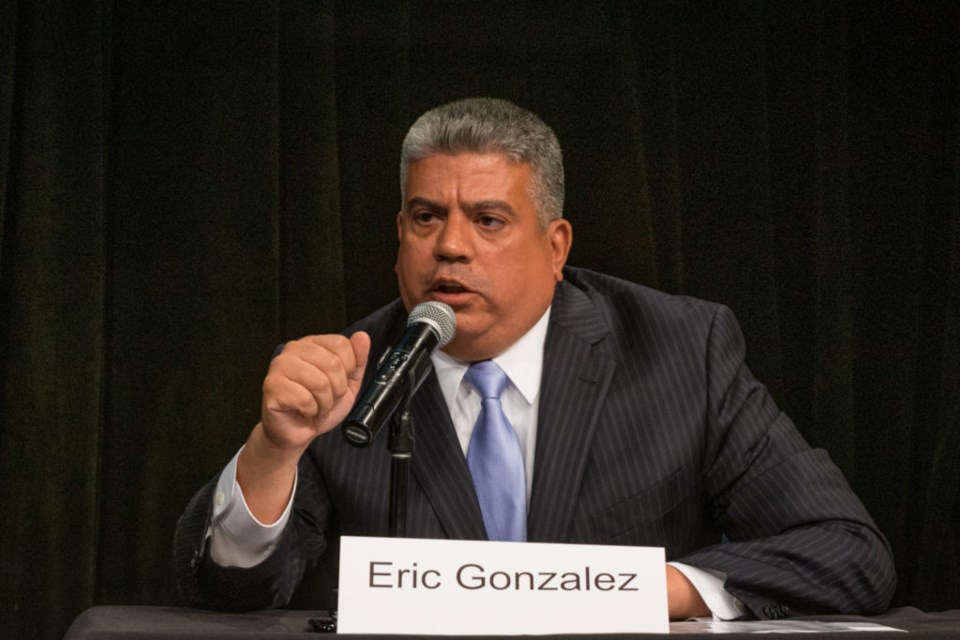
“When scammers halfway around the world target Brooklyn residents, they should know they are not beyond our reach. These criminals stole many millions of dollars from Russian-speaking victims through an elaborate investment scheme, then tried to exploit them again with false promises to recover their money. By disrupting more than 100 servers and hundreds of fraudulent websites, we have struck at the heart of this criminal enterprise and made it far harder for these scammers to victimize other,” said Brooklyn District Attorney Eric Gonzalez.
The scam disproportionately affected Brooklyn’s Russian-speaking community. Victims typically responded to Russian-language Facebook advertisements promoting investment opportunities before receiving calls from purported investment advisers who spoke Russian.
The advisers guided victims through cryptocurrency purchases and transfers to fraudulent investment platforms. When victims later attempted to withdraw their money, they were locked out of their accounts or told to pay additional fees and taxes.
The scheme is estimated to have stolen tens of millions of dollars, with some victims losing their life savings, according to the District Attorney’s Office. Investigators also uncovered a secondary fraud targeting previous victims with false promises of recovering their stolen cryptocurrency.
The operation builds on earlier enforcement actions in which the office seized or disrupted about 400 domains linked to cryptocurrency investment fraud. Those measures often prompted scammers to create replacement websites, leading investigators to target the servers underpinning the operation rather than individual domains alone.
The District Attorney’s Office has recovered about $300,000 in stolen funds and is pursuing additional recovery efforts. The investigation involved the FBI and cybersecurity partners, including Shadowserver, Coeus and UltaHost.
The disruption aims to make it harder for the criminals to rebuild their online infrastructure and contact previous victims. The case highlights the challenges of combating cross-border cryptocurrency fraud and the importance of cooperation between local prosecutors, federal investigators and technology providers.


