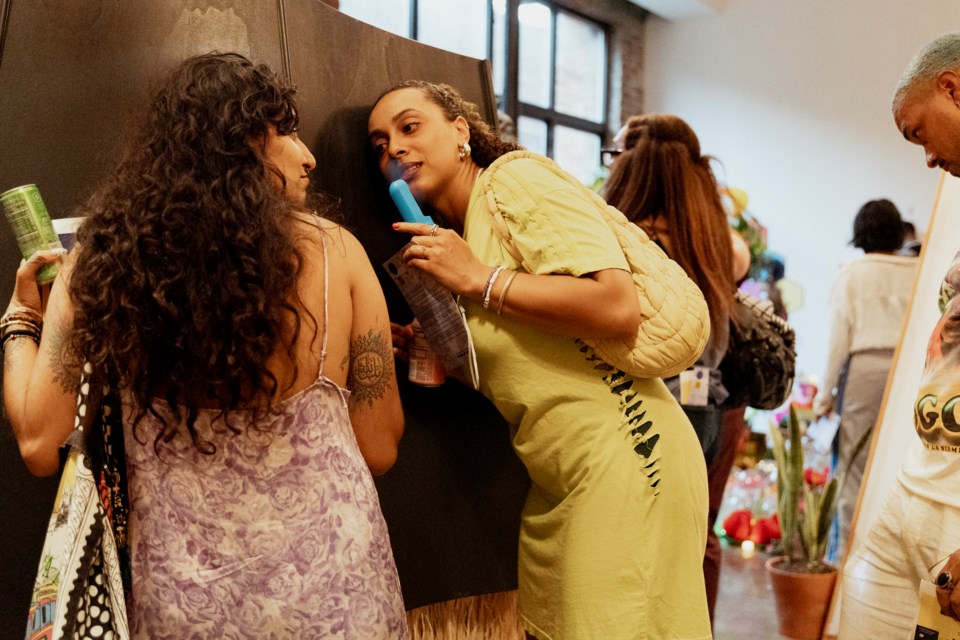
What would the future of reparations in America look like for Black and Indigenous people? In a new Afrofuturist art exhibition called Futures of Repair, six Black artists create their own interpretation of just that — a world where Black and indigenous people can repair.
The exhibit is a collaboration between creative studio Intelligent Mischief and curator Mia Imani Harrison, an interdisciplinary artivist and arts writer. The exhibit, at 195 Morgan Ave., runs through March 2026 and is funded by the Robert Wood Johnson Foundation.
The exhibit includes multidisciplinary artists like Alisha B. Wormsley, Terence Nance, Ari Melenciano and American Artist who came together to interpret a “2165 Earth,” or what the world would be like if Black and Indigenous people received all of that they were deserving of.
“I feel like repair isn't just about imagining what's broken, but it's also looking at what works,” Harrison told BK Reader. “So, having video works, having installation works that are interactive, having sound pieces, having works that are more tech innovative.”
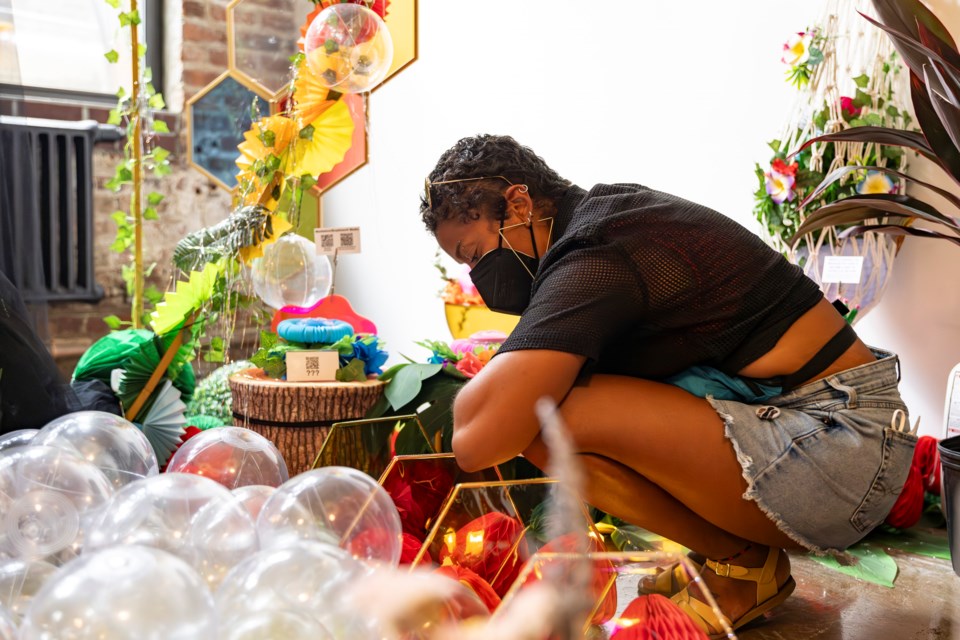
For many of the artists, this exhibit pushed them to think about reparations for the first time in artistic form. American Artist, however, is known for his work on sci-fi writer Octavia Butler, and had the chance to showcase the intersection of technology and reparations based on critical race theory.
“It was also an invitation for each of the artists to utilize the time to truly play,” explained Harrison. “To enjoy and also make something that they might have dreamt of making, but just didn't have the space or the time to do it right."
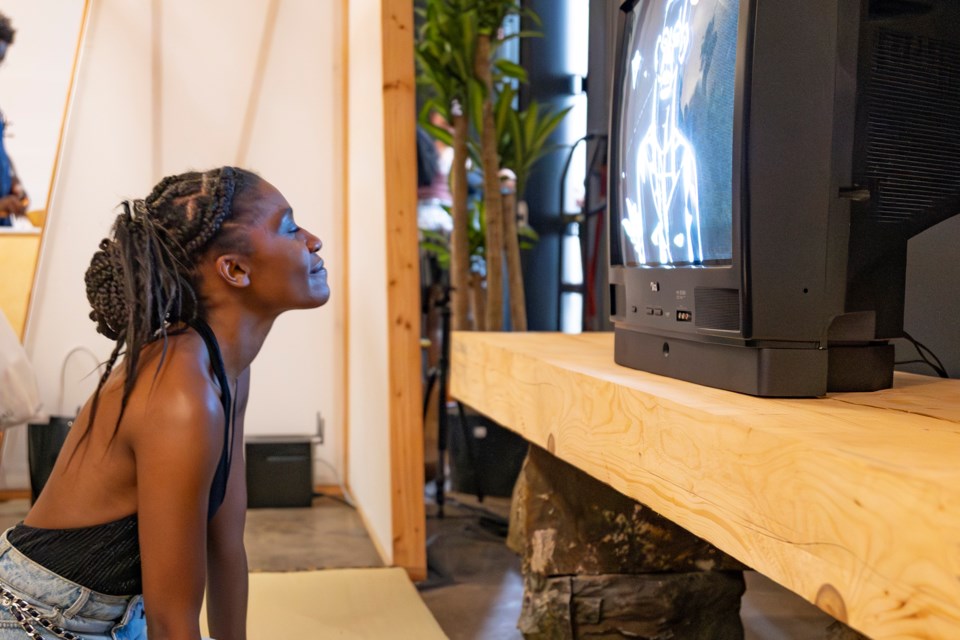
For Meleciano, a creative technologist and artist, creating the artistry for the exhibit took a lot of deep, inner work. The project was activated by a series of prompts, where each artist first had to define what reparations for individuals and the community should looked like.
“I've grown up, my mother has really always instilled in me, go after the things that you want, and don't wait for anyone to give it to you,” she said. “Then that's a bit different from what we're expected reparations to be. I think reparations is more about receiving what we are owed from other people.”
Meleciano interpreted reparations through the lens of emotional wellness. Her artwork, a womb simulation to help people identify how and when they were born to interpret their mothers, is a vehicle for viewers to think about who they are, what they are feeling and what they want when determining reparations.
Both American Artist and Meleciano hope that the artwork inspires visitors to think and question the theme of reparations and a better world. As information about reparations and critical race theory becomes extinct from conversations, the exhibit offers visitors a way to learn about these topics through a new light.